Ledger.com/start – Understanding the First Step Toward Secure Digital Asset Storage
Ledger.com/start is the official introduction point for users who want to learn about Ledger hardware wallets and the principles behind secure digital asset storage. Rather than acting as a quick setup shortcut, this page is designed to help users understand what they are using, why it matters, and how responsibility plays a role in managing digital ownership.
In a space where mistakes can be costly and misinformation is common, Ledger.com/start focuses on clarity, awareness, and security fundamentals. It encourages users to learn before acting, which is especially important for those new to hardware wallets or self-custody solutions.
What Makes Ledger Different?
Ledger is known for creating physical devices—called hardware wallets—that store cryptographic private keys in a secure, offline environment. Unlike online platforms or mobile applications, hardware wallets are designed to minimize exposure to internet-based risks.
Ledger’s approach centers on user control. Instead of relying on third parties to manage access, Ledger devices allow individuals to hold and protect their own private keys. This model reduces reliance on centralized services but also places responsibility directly in the user’s hands.
Ledger.com/start introduces these ideas early, helping users understand that owning digital assets securely requires knowledge as well as careful behavior.
The Role of Ledger.com/start
Ledger.com/start serves as an educational checkpoint. Its primary role is to prepare users before they interact with a Ledger device or related software. The page helps users:
Learn what a hardware wallet does
Understand the concept of private keys
Recognize common security risks
Identify official and trusted sources
By addressing these points upfront, Ledger.com/start aims to reduce errors caused by haste or misunderstanding.
The Importance of Private Keys
One of the key concepts explained on Ledger.com/start is the role of private keys. Private keys are what grant access to digital assets. Whoever controls the private keys controls the assets.
Ledger.com/start makes it clear that losing access information can result in permanent loss. There are no universal recovery systems, and no external authority can restore access if key information is misplaced or exposed. This reality highlights why secure storage and careful handling are essential.
The page emphasizes awareness rather than fear, helping users approach digital security with seriousness and confidence.
Core Security Concepts Introduced
Ledger.com/start outlines several foundational security principles that users should understand before proceeding further.
Offline Key Storage
Ledger hardware wallets are designed to keep private keys offline. This separation from internet-connected environments helps reduce exposure to remote attacks.
User Verification
Many Ledger devices require physical confirmation for actions. This ensures that transactions or changes cannot be approved without the user’s direct involvement.
Recovery Preparation
Ledger.com/start highlights the importance of recovery information and explains why it must be protected. Proper storage of this information is essential for long-term access.
Scam Prevention
Users are warned about impersonation attempts, fake websites, and unofficial messages. Ledger.com/start reinforces the importance of verifying sources and avoiding untrusted links.
Why Starting at the Official Page Matters
The digital asset space is filled with unofficial guides, copied websites, and misleading advice. Ledger.com/start exists to provide a verified and reliable starting point.
By using the official page, users reduce the risk of following incorrect or outdated information. This is especially important for first-time users, who may not yet recognize warning signs of scams or impersonation attempts.
Ledger.com/start promotes caution and patience, reminding users that security is more important than speed.
Understanding the Ledger Ecosystem
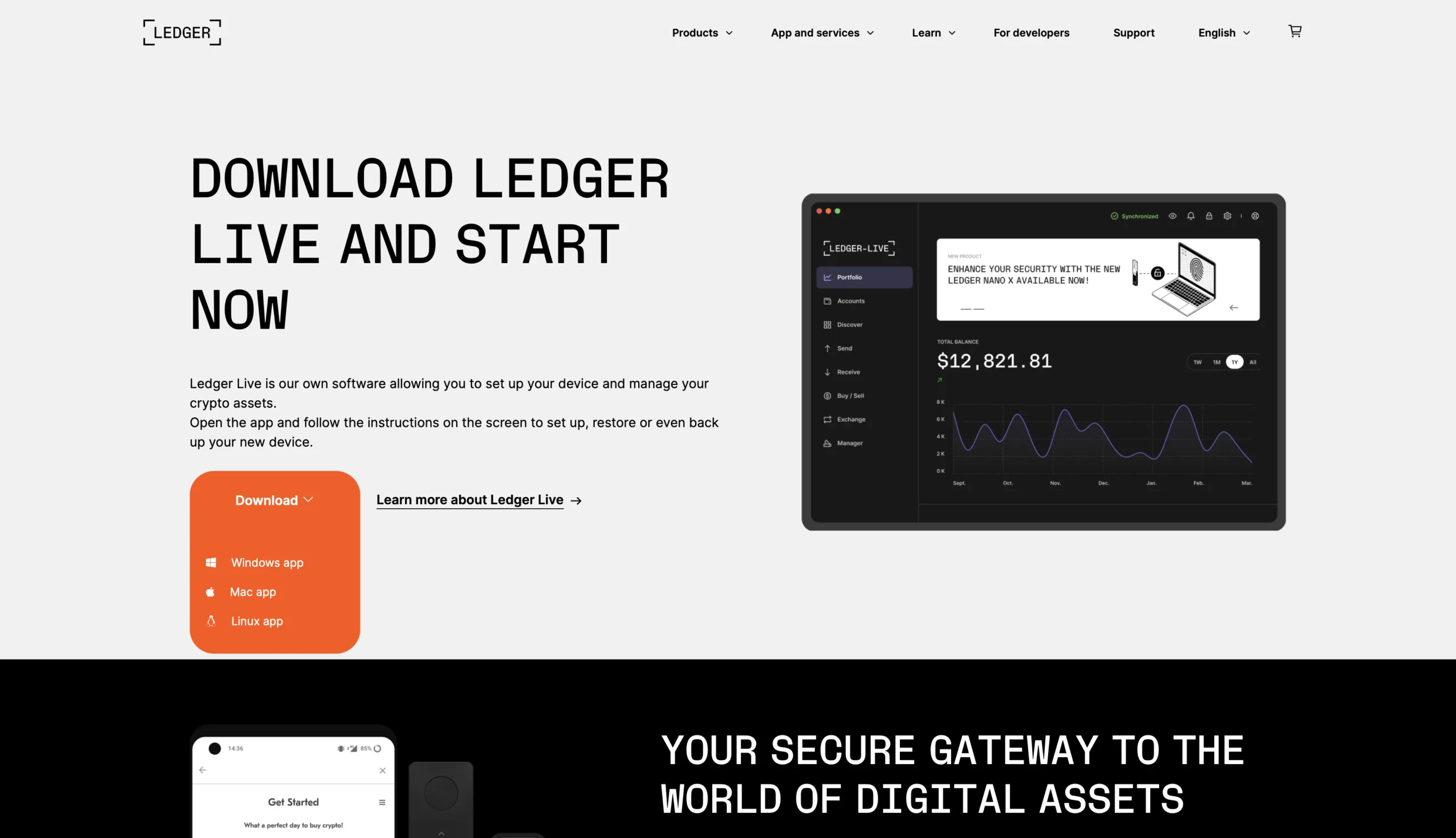
Ledger.com/start also introduces users to the idea that hardware wallets work alongside dedicated software tools. These tools allow users to view balances, manage applications, and interact with supported networks while keeping private keys protected by the hardware device.
The focus remains on management and visibility rather than speculation or fast transactions. This approach helps users see hardware wallets as long-term security tools rather than short-term conveniences.
Responsibility and Long-Term Thinking
A major theme throughout Ledger.com/start is responsibility. Using a hardware wallet means accepting full control over access and security. There is no fallback system if critical information is lost.
Ledger.com/start encourages users to think long term by reminding them to:
Store important information securely
Stay informed about official updates
Be cautious with unsolicited messages
Double-check information before acting
These habits are presented as ongoing practices rather than one-time tasks.
Who Is Ledger.com/start For?
Ledger.com/start is suitable for a wide range of users. Beginners benefit from the clear explanations and emphasis on fundamentals, while experienced users may appreciate the reminders about best practices and security awareness.
The page is particularly helpful for individuals who want to take a more independent approach to managing digital assets and value control over convenience.
Final Thoughts
Ledger.com/start is designed to set the tone for safe and informed use of Ledger hardware wallets. Instead of rushing users into action, it encourages understanding, preparation, and responsibility.
By focusing on education and awareness, Ledger.com/start helps users approach digital asset security with the right mindset. Taking time to understand the information provided can help prevent mistakes and support safer long-term management of digital assets.